
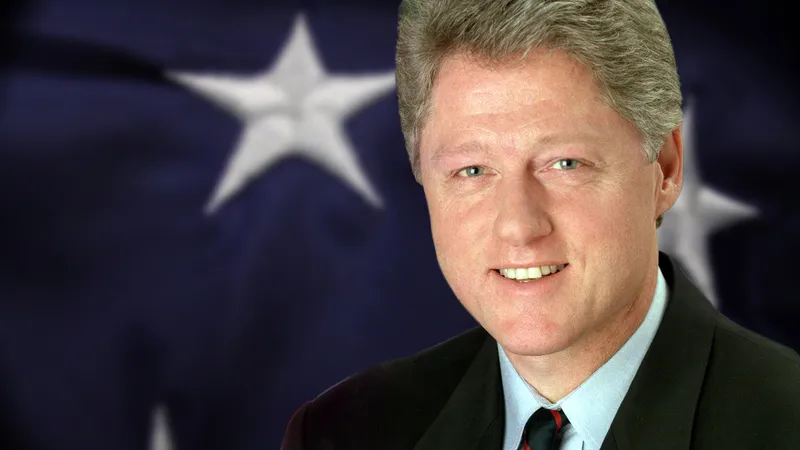

Former President Bill Clinton faced hours of questioning from lawmakers on the House Oversight Committee over his past connections to Jeffrey Epstein, marking a rare instance of a former U.S. president testifying before Congress.
The closed-door deposition, held in Chappaqua, New York, lasted about six hours. Clinton repeatedly told lawmakers that he “did nothing wrong” and insisted he saw no evidence of Epstein’s sexual abuse during their interactions more than two decades ago.
Lawmakers pressed Clinton on his travels with Epstein, including flights and social events, as well as donations linked to Epstein’s network. Clinton acknowledged limited professional contact but denied any deeper involvement.
Partisan divisions quickly emerged after the testimony. Republicans argued that Clinton’s answers indirectly exonerated President Donald Trump, who also had past ties to Epstein. Democrats countered that Clinton’s deposition raised further questions and underscored the need for broader accountability.
Clinton criticized the committee for compelling his wife, former Secretary of State Hillary Clinton, to also sit for a deposition, calling the move politically motivated. He maintained that the investigation was less about Epstein and more about partisan point-scoring.
No sitting or former president has testified before Congress since 1983, making Clinton’s appearance historically significant. Lawmakers signaled that more witnesses may be called as the probe continues.
The episode highlights how Epstein’s legacy continues to reverberate across U.S. politics, pulling in figures from both parties and fueling contentious debates over accountability and transparency.