

Nepal Flood Death Toll Rises To 903, While More Than 4,247 People Remain Missing
The death toll from the devastating flash floods in Nepal has risen to at least 903, while 4,247 people remain missing, according to the country’s disaster management authorities. Rescue and search operations entered their sixth day on Monday as teams continued efforts to locate survivors and recover those still unaccounted for.
The catastrophic flooding struck parts of Nepal near the border with China after a massive collapse of ice, rock and debris in the Himalayan region triggered a powerful surge of water through valleys and river systems. The disaster caused widespread destruction across several districts, sweeping away homes, bridges, roads, vehicles and other infrastructure.
Nepal’s National Disaster Risk Reduction and Management Authority said that the missing include 592 foreign nationals. Hundreds of people are also believed to be workers employed at hydropower projects along the affected rivers. Authorities said 933 workers connected to hydropower projects are among those reported missing.
Rescue teams are facing some of their most difficult challenges at hydropower facilities, where large numbers of workers are believed to be trapped inside tunnels blocked by mud, rocks and other debris. At least 11 hydropower projects in the badly affected Rasuwa and Nuwakot districts have been damaged, according to officials.
Nepal Army teams have been using excavators, search equipment and controlled blasts to clear blocked passages and reach people who may still be trapped underground. Chinese and Indian specialists are also assisting Nepali authorities with the technically difficult tunnel rescue operations.
Officials have warned that continuing rainfall, unstable terrain, landslides and damaged roads are making rescue operations extremely difficult. In many remote areas, communications and transportation links have also been disrupted, slowing the delivery of emergency assistance and making it harder for families to obtain information about missing relatives.
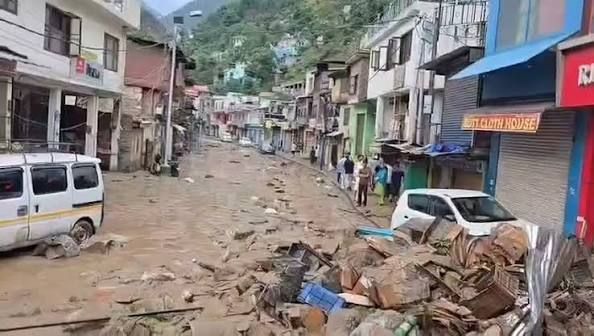
The flooding has caused extensive damage across several districts, including Rasuwa and Nuwakot. Large quantities of mud and debris have covered settlements and infrastructure, while powerful floodwaters have damaged bridges and roads and disrupted connections between communities.
Across the border in Tibet, Chinese authorities have reported 16 deaths and 546 people missing. When the figures from Nepal and Tibet are combined, the disaster has resulted in at least 919 reported deaths and 4,793 people missing.
The scale of the disaster has overwhelmed local communities, with families continuing to search hospitals, rescue centres and official lists for information about missing relatives. Authorities are also working to identify recovered bodies and provide assistance to displaced survivors.
Nepal’s Prime Minister Balendra Shah described the disaster as an unprecedented and deeply distressing natural catastrophe. He said authorities were facing significant difficulties in assessing the full extent of the loss of life, property and infrastructure because of the difficult terrain and continuing risks.
More than 21,000 security personnel, along with civilian workers and volunteers, have been involved in rescue and relief operations. Despite difficult weather and hazardous conditions, authorities say efforts will continue to reach stranded communities, rescue people trapped in tunnels and recover those still missing.
The disaster has also raised concerns about the increasing vulnerability of Himalayan communities to extreme weather events and glacier-related hazards. Experts and authorities are continuing to assess the causes of the flooding and the long-term damage caused by the unprecedented surge of water, ice, rock and mud.
With thousands of people still missing, rescue teams remain focused on reaching isolated communities and hydropower sites. Officials have urged people to remain cautious as rescue and recovery operations continue across the affected areas.