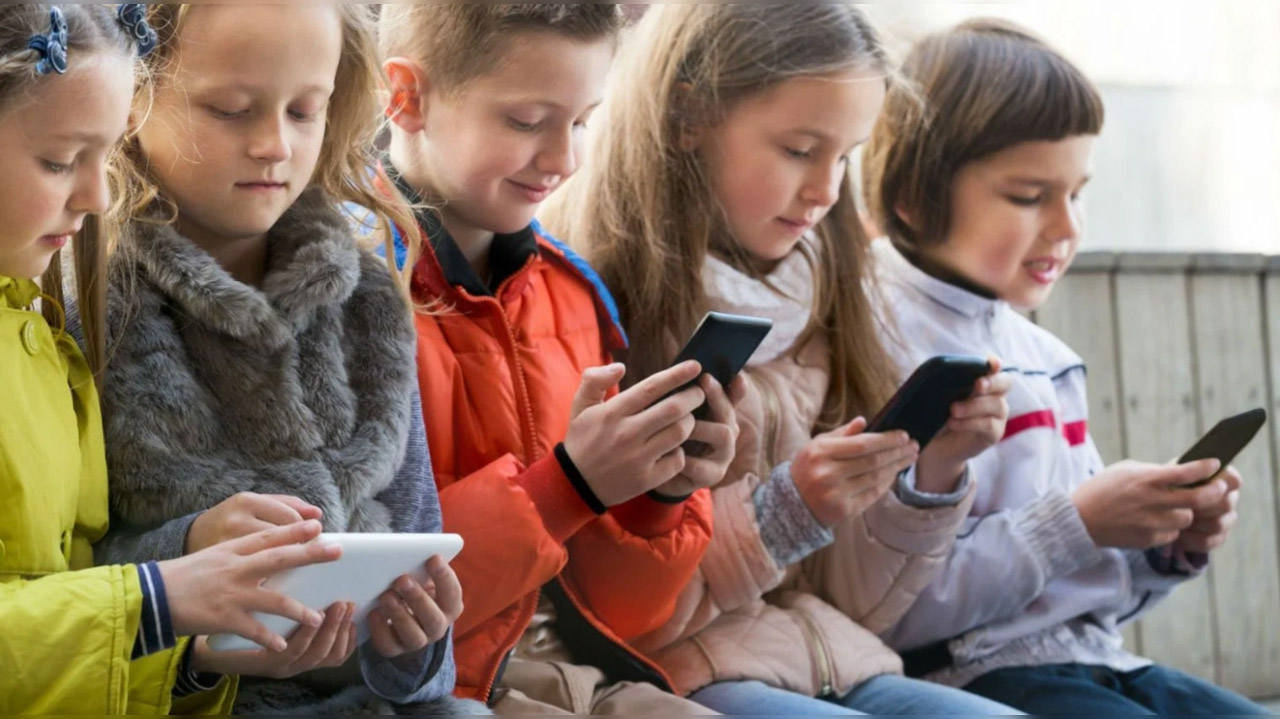

Education experts in Melbourne have raised alarm over the proposed ban on social media use for under-16s, warning that the measure could damage young people’s political education and civic awareness. They argue that restricting access risks cutting students off from platforms where political debate, news, and engagement increasingly take place.
Teachers and school leaders across Victoria have voiced concern that without access to social media, young people may lose vital opportunities to follow current affairs, connect with political movements, and encounter diverse perspectives. They stress that digital spaces have become central to how students learn about democracy and public life.
“The under-16s social media ban will damage young people’s political education, teachers need better support,” one Melbourne-based education advocate said, highlighting the need for investment in classroom resources and training to ensure students can still access balanced political information.
Calls have been made for governments to provide stronger support for educators, including updated teaching materials, professional development, and guidance on fostering political literacy in the absence of social media engagement. Experts insist that schools must be equipped to fill the gap left by restricted online access.
The debate in Melbourne underscores wider concerns about balancing child protection with the right to information and participation in civic life. Analysts note that while safeguarding measures are important, policies must also consider the long-term impact on democratic engagement among younger generations.