
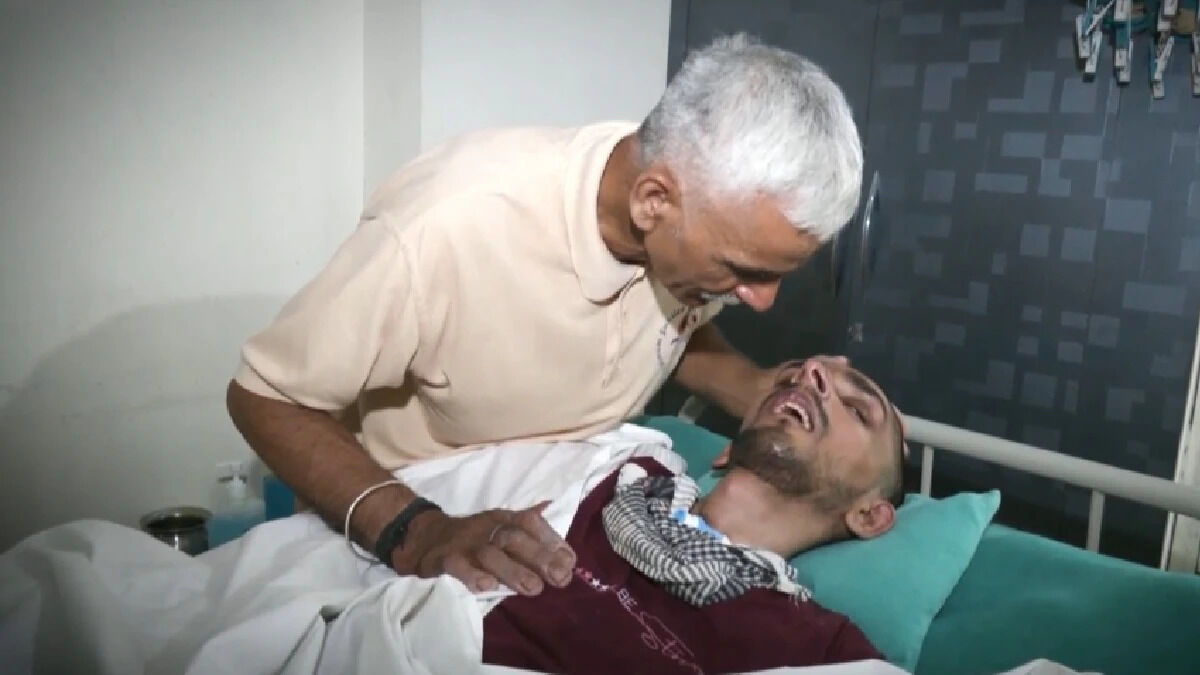

New Delhi, March 24 — Harish Rana, India’s first person to be legally allowed passive euthanasia, passed away at the All India Institute of Medical Sciences (AIIMS), New Delhi, after spending more than 13 years in a coma. His case marked a historic turning point in India’s medico-legal landscape, shaping the nation’s laws on end-of-life care and living wills.
Rana, 31, had been in a vegetative state since 2013 after suffering severe brain injuries from a fall off a fourth-floor balcony in Chandigarh. His family fought a long legal battle seeking dignity in death, which culminated in the Supreme Court’s landmark approval earlier this month to withdraw life support under its 2018 ruling that recognized passive euthanasia as lawful.
Passive euthanasia, defined as the withdrawal of medical treatment that artificially prolongs life, was carried out under strict medical supervision at AIIMS. Doctors gradually withdrew nutritional support and life-sustaining interventions, ensuring a dignified and humane end.
The Supreme Court’s decision in Rana’s case reaffirmed the importance of living wills and clarified the ethical distinction between “letting a patient die” and actively ending life. It also provided hospitals with clearer guidelines for handling such sensitive cases, balancing compassion with legality.
For Rana’s family, the ruling brought closure after years of emotional struggle. His hospital room had become a second home, where loved ones marked birthdays and festivals beside him. His dignified passing now stands as a symbol of resilience, acceptance, and the evolving debate around death with dignity in India.
Rana’s case is expected to influence future end-of-life decisions across the country, offering families a legal framework to navigate similar situations. It underscores the ethical balance between prolonging life artificially and allowing a dignified death, a debate that continues to resonate deeply in Indian society.