
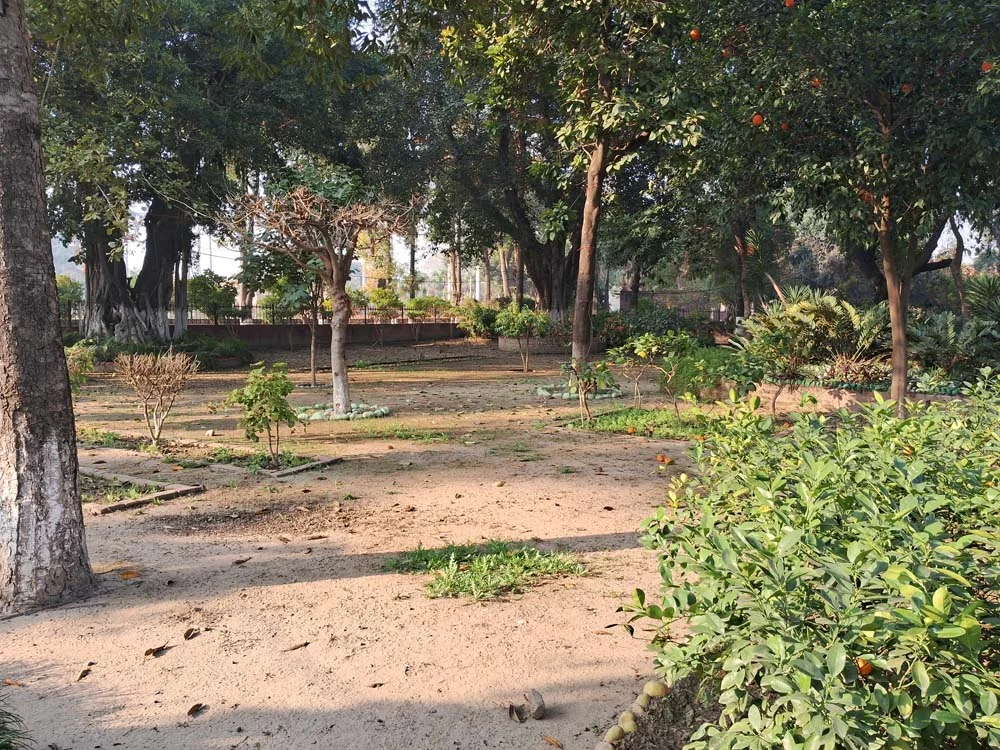

The National Medicinal Plants Board has approved a proposal to establish 100 school herbal gardens across Jammu, aiming to promote awareness of traditional medicine and environmental sustainability among students.
Officials stated that the initiative will introduce schoolchildren to the importance of medicinal plants, their role in healthcare, and their contribution to biodiversity. The gardens are expected to serve as living classrooms, combining education with practical exposure.
The project is designed to encourage students to understand the value of herbal remedies, while also fostering respect for nature and conservation. Teachers will be supported with resource materials to integrate herbal knowledge into the curriculum.
Authorities emphasized that the gardens will not only benefit students but also create awareness among local communities about the significance of medicinal plants in daily life. The initiative is aligned with broader efforts to preserve traditional knowledge systems.
The approval of 100 herbal gardens across Jammu reflects the government’s commitment to promoting holistic health, environmental stewardship, and cultural heritage through education.