
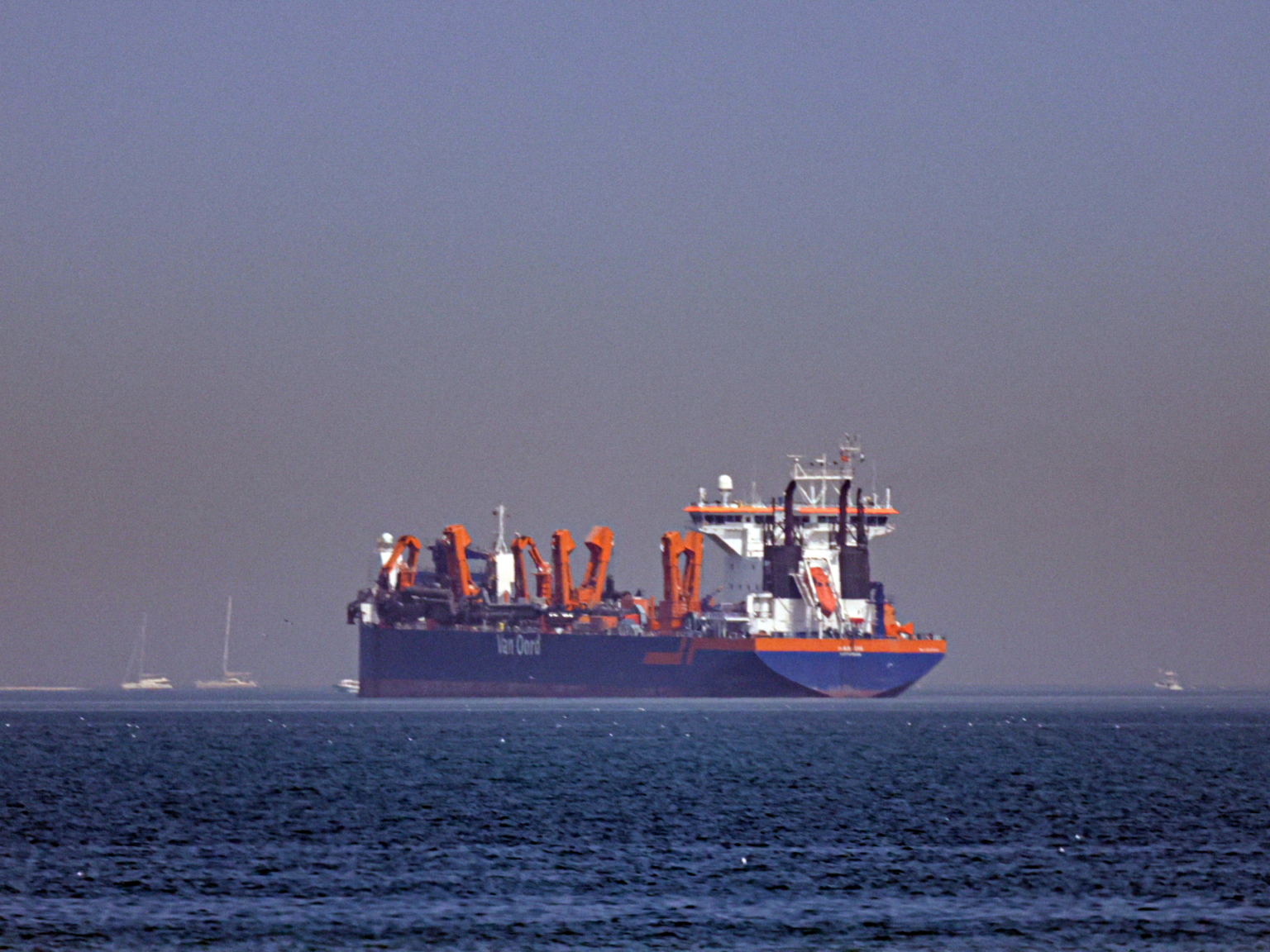

Commercial shipping through the Strait of Hormuz has come to a near halt as escalating hostilities in West Asia entered their second week, raising serious concerns over global energy supplies and maritime security, officials and industry sources said.
The Strait of Hormuz, one of the world’s most critical shipping lanes, handles a significant share of global crude oil and liquefied natural gas exports. With rising military tensions and security threats in the region, several shipping companies have suspended or diverted their vessels to avoid potential risks.
Maritime authorities said heightened naval activity, missile threats, and drone attacks in nearby waters have made commercial operations unsafe. Insurance premiums for vessels transiting the route have surged sharply, further discouraging shipping traffic through the strait.
The disruption has already begun to impact global energy markets, with oil prices witnessing volatility amid fears of prolonged supply interruptions. Analysts warned that an extended shutdown could have far-reaching consequences for energy-importing nations and global trade.
Governments and international bodies are closely monitoring the situation, while diplomatic efforts are underway to prevent further escalation. Shipping experts cautioned that commercial traffic may not resume until security conditions in the region show clear signs of improvement.
The Strait of Hormuz has long been considered a strategic chokepoint, and any sustained disruption to shipping through the route is expected to have significant geopolitical and economic repercussions worldwide.