
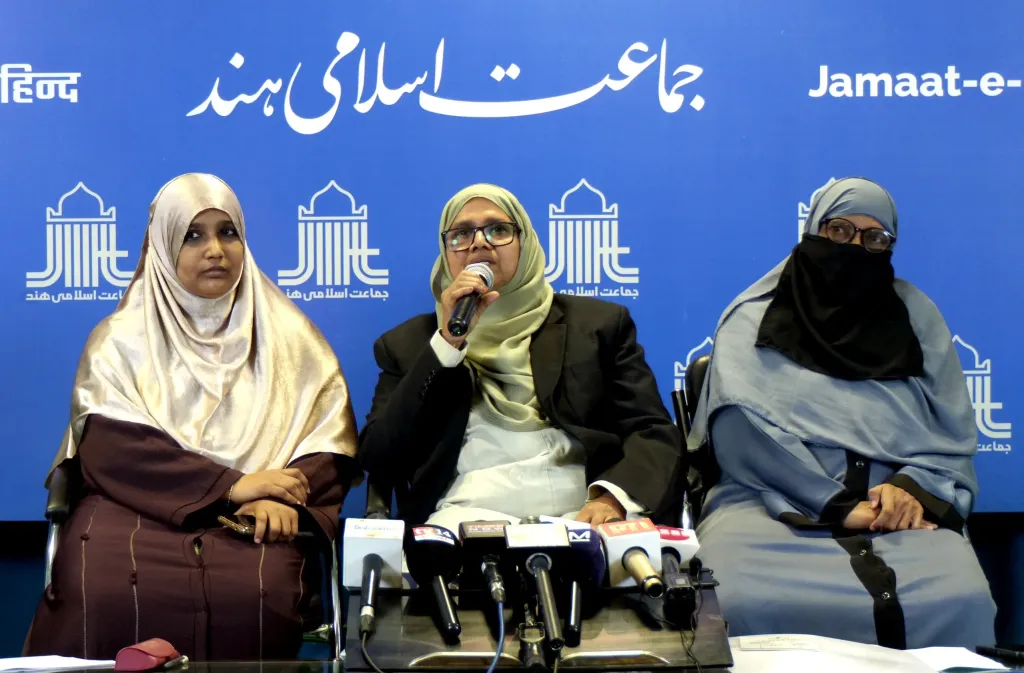

Senior leaders of Bangladesh’s Jamaat-e-Islami have justified gender restrictions in the party’s leadership, stating that women cannot hold the top position of “Ameer” (chief) in accordance with their interpretation of Islamic principles. The remarks were made by members of the party’s women’s wing, who argued that men are designated as guardians and directors of women, and that leadership roles at the highest level are meant to be held by men.
While defending the restrictions, party leaders emphasized that women’s participation in the party remains important, but their focus should be on securing rights, social and political engagement, and organizational roles below the top leadership level. They asserted that symbolic leadership positions, such as the Ameer post, are not the primary concern for the party’s women and that practical involvement in the party’s activities takes precedence.
The comments sparked criticism from political analysts and civil society, who argued that the stance reinforces gender inequality and limits women’s potential in politics. Some social media posts by Jamaat leaders defending the remarks were later deleted amid public backlash, but the party’s official position continues to reflect traditional interpretations of gender roles within their organizational structure.
Despite the restrictions on top leadership, Jamaat-e-Islami maintains that women are encouraged to be active in decision-making processes at lower levels, participate in campaigns, and contribute to party initiatives, stressing that their role is significant even if the ultimate leadership is reserved for men.
“