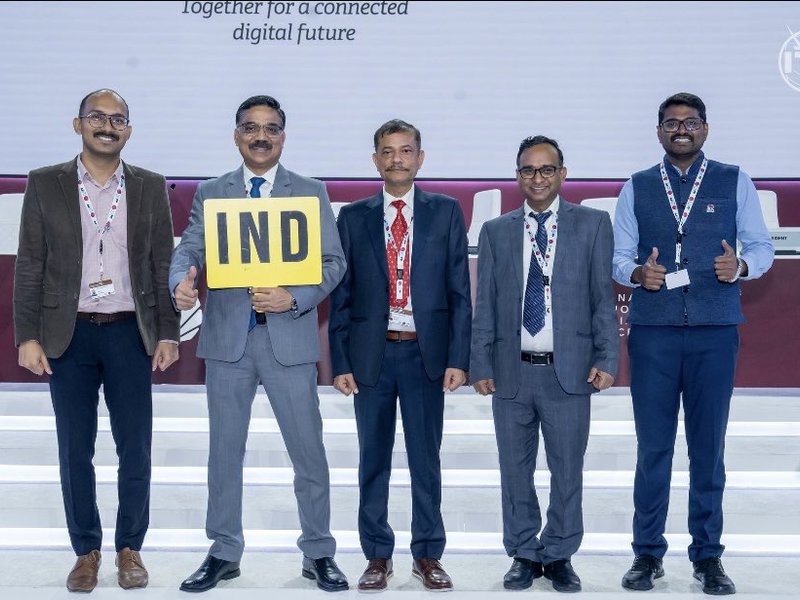

New Delhi, November 17: India has retained its place on the Council of the International Telecommunication Union (ITU), winning re-election for the 2027–2030 period at the ongoing Plenipotentiary Conference in Doha, Qatar.
The election was held on November 16, giving India another four-year opportunity to participate in the decision-making process of the United Nations body responsible for coordinating international telecommunications and information and communication technologies.
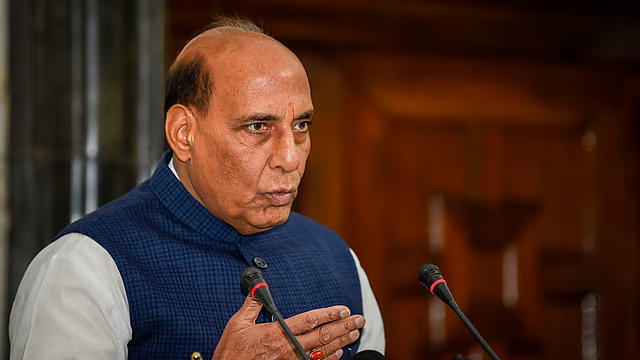
India’s re-election was welcomed by Union Communications Minister Jyotiraditya Scindia, who said the outcome reflected the confidence of member countries in India’s growing contribution to the global digital and telecommunications landscape.
The renewed membership will enable India to remain involved in discussions on international telecom policies, emerging technologies, digital infrastructure and efforts to improve connectivity across different regions.
The ITU Council consists of 48 member countries and functions as the organisation’s governing body between its four-yearly conferences. It supervises the implementation of the union’s policies, reviews its activities and provides guidance on administrative, financial and strategic matters.
India was elected from Region E, which represents Asia and Australasia and has 13 seats on the Council. Other countries elected from the region include Australia, Bahrain, China, Indonesia, Japan, South Korea, Kuwait, Malaysia, Qatar, Saudi Arabia and the United Arab Emirates.
The ITU, headquartered in Geneva, plays a central role in coordinating the global use of radio-frequency spectrum and satellite orbits. It also develops international technical standards to ensure that communication networks and digital technologies can operate across national boundaries.
India’s continued representation comes at a time when countries are working to expand digital access and address challenges linked to rapidly developing technologies. Issues such as 5G and 6G networks, satellite-based communication, cybersecurity and affordable broadband are among the important areas shaping the global telecommunications agenda.
Through its renewed term, India will have the opportunity to work with other member states on policies aimed at strengthening digital infrastructure, encouraging innovation and making communication services more accessible.
The government has reiterated its commitment to supporting an inclusive, secure and sustainable digital ecosystem through greater international cooperation.