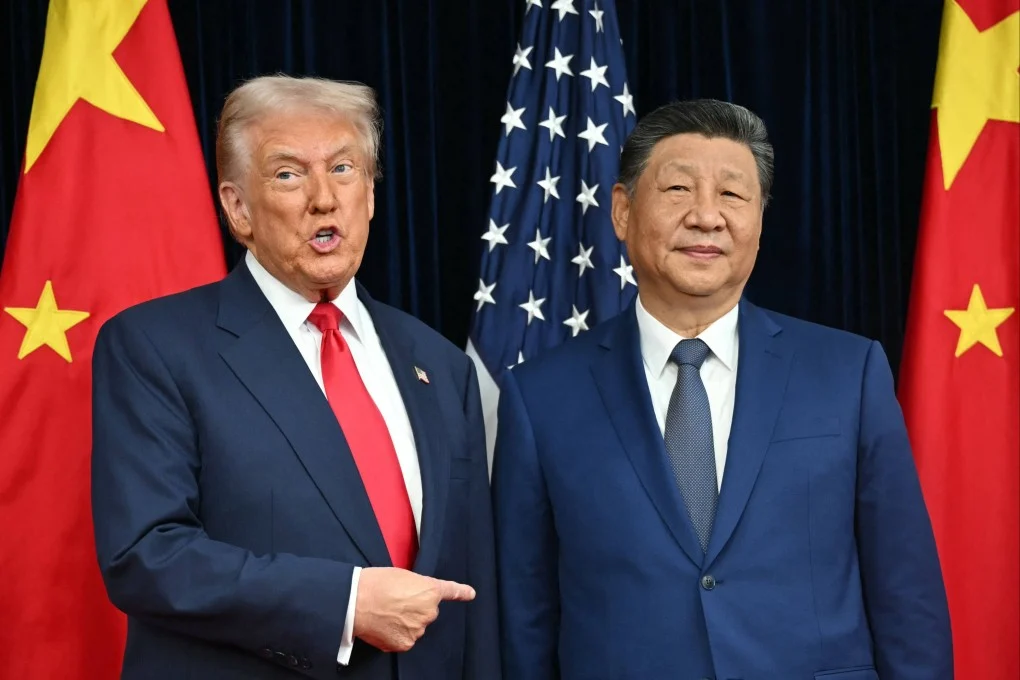

The United States and China have agreed to keep the Strait of Hormuz open to ensure the free flow of global energy supplies. The understanding was reached during high-level talks in Beijing on May 14, 2026, marking rare common ground between Washington and Beijing amid the ongoing U.S.-Israel conflict with Iran.
Both sides emphasized the importance of uninterrupted oil and gas shipments through the strait, which handles nearly one-fifth of the world’s energy trade. President Xi Jinping opposed militarization of the waterway and rejected any tolls on shipping, while President Donald Trump stressed the need to prevent Iran from using the blockade as leverage.
Iran has blocked the strait since March 2026 in retaliation for U.S. and Israeli strikes, triggering the largest supply disruption in history. China, the world’s largest oil importer, has been directly affected, with more than half of its crude imports transiting Hormuz. Xi signaled interest in buying more American oil to diversify supply routes.
Both leaders also agreed that Iran must never acquire a nuclear weapon, aligning on a critical security concern despite broader geopolitical differences. The consensus highlights the urgency of stabilizing global energy markets and ensuring regional security in the Gulf.