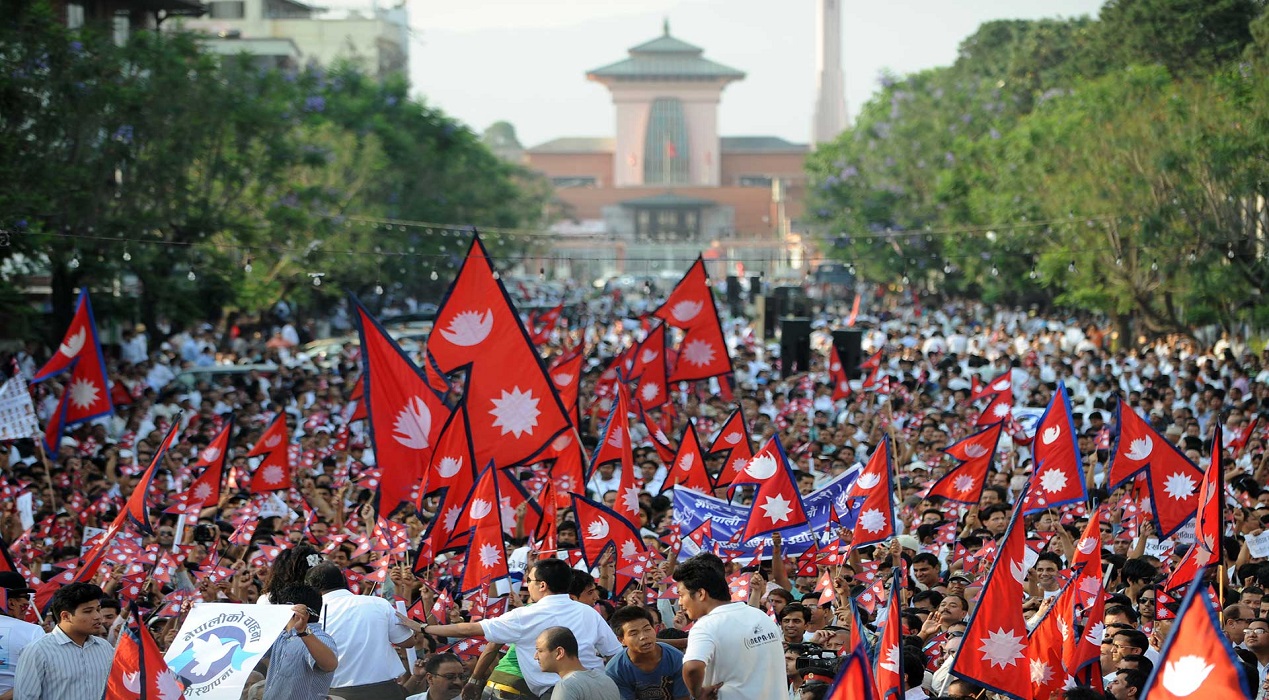

Nepal is set to hold its first general election since deadly youth-led protests toppled the government in September 2025. Nearly 19 million voters will cast their ballots on March 5, 2026, to elect a new House of Representatives, marking a pivotal moment for the Himalayan nation’s fragile democracy.
The protests, which left dozens dead, forced the resignation of former Prime Minister Khadga Prasad Sharma Oli and ushered in an interim government led by former chief justice Sushila Karki. The interim administration pledged to restore stability and hand over power through fresh elections within six months.
Three prominent rivals are vying for the premiership. Khadga Prasad Oli, the veteran communist leader of the CPN-UML, seeks a political comeback after being ousted last year. Gagan Thapa, the youthful president of the Nepali Congress, represents Nepal’s oldest political party and is appealing to younger voters. Balendra Shah, a former rapper and ex-mayor of Kathmandu, leads the Rastriya Swatantra Party and has emerged as a populist challenger promising reform.
The election underscores Nepal’s recurring political instability, with the country poised to choose its 16th prime minister in less than two decades since the monarchy was abolished in 2008. Analysts say the outcome will hinge on whether voters favor established parties or embrace new leadership amid frustration over corruption and lack of opportunity.
International observers are closely watching the polls, which are expected to shape Nepal’s political trajectory and test the resilience of its democratic institutions following last year’s unrest.