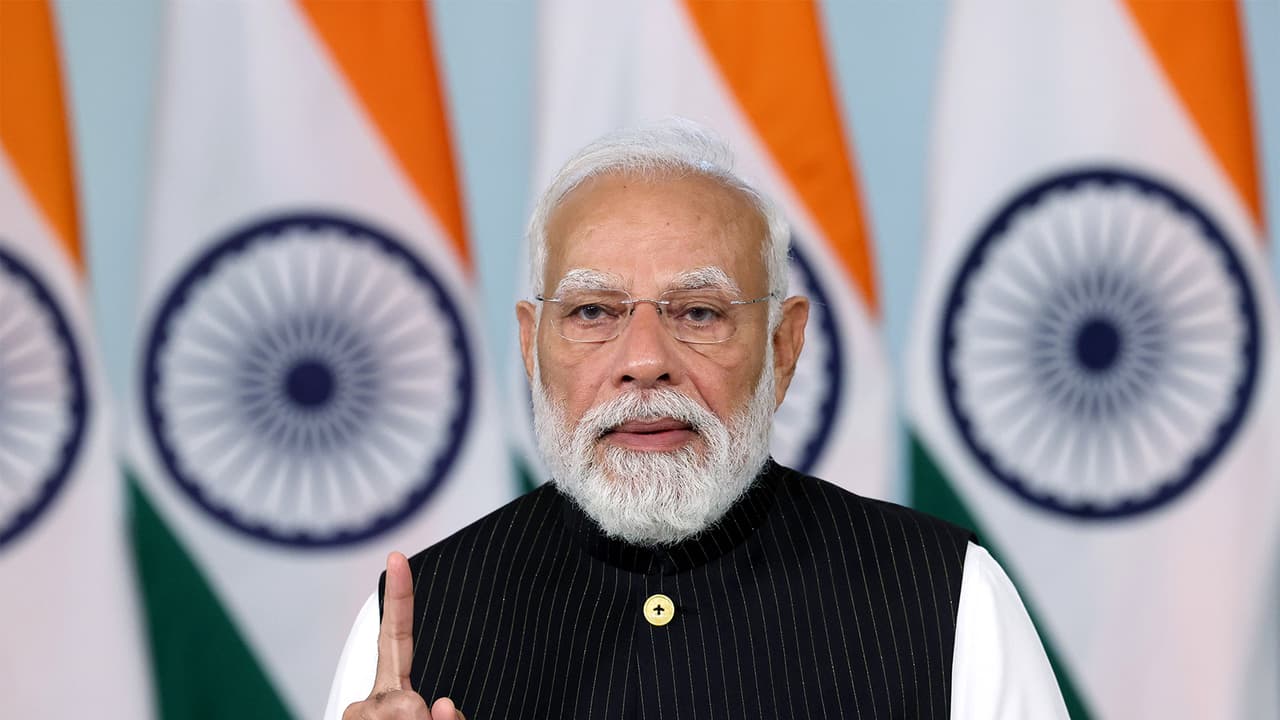

Prime Minister Narendra Modi and Japanese Prime Minister Sanae Takaichi held delegation-level talks at Hyderabad House on July 2, 2026, marking her first official visit to India as Japan’s Prime Minister. The discussions reinforced the India–Japan Special Strategic and Global Partnership, with agreements spanning defence, technology, and economic security.
The Indian delegation included External Affairs Minister S. Jaishankar, National Security Advisor Ajit Doval, and Foreign Secretary Vikram Misri. Key outcomes included a Joint Declaration on Economic Security, a Joint Statement on Artificial Intelligence Cooperation, a Joint Statement on Energy Resilience, and the launch of the first defence co-development project involving a naval radio antenna system named “Unicorn.”
Over 120 MoUs were signed between Indian and Japanese companies, targeting investments worth 10 trillion yen into India over the next decade. Both leaders highlighted the synergy between Japan’s precision technology and India’s software strength, particularly in advancing global AI development. Agreements in pharmaceuticals, medical devices, and biotechnology were also signed to deliver affordable health solutions worldwide.
Prime Minister Modi referred to Prime Minister Takaichi as his “younger sister,” underscoring the personal bond between the two leaders and their shared respect for late Japanese PM Shinzo Abe. The talks reaffirmed commitment to a free, prosperous, and rules-based Indo-Pacific, while strengthening defence cooperation and cultural ties rooted in shared Buddhist heritage.