
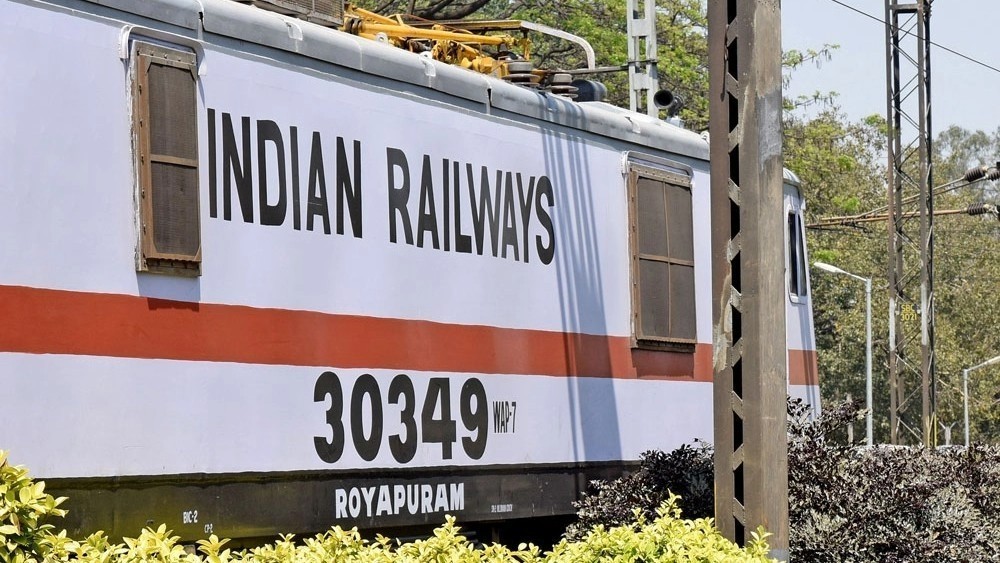

Indian Railways has approved the provision of Kavach Version 4.0 across 607.7 route kilometres of the Lucknow Division of North Eastern Railway at a total cost of ₹252 crore. The approval was announced on September 19, 2026, as part of ongoing efforts to strengthen railway safety through indigenous technology.
The project will extend Kavach 4.0 coverage across the identified balance sections of the Lucknow Division. According to the Ministry of Railways, the deployment is intended to strengthen the safety infrastructure supporting train operations and improve the reliability of train protection systems.
Kavach is an indigenously developed Automatic Train Protection (ATP) system designed to enhance operational safety. The system monitors train movements and can automatically apply brakes when required. It is also designed to help prevent Signal Passing at Danger (SPAD), a situation in which a train passes a signal that requires it to stop.
The approval for more than 600 route kilometres represents a further expansion of Kavach technology across the Indian Railways network. The system forms part of the Railways’ broader programme to modernise train protection and signalling infrastructure and strengthen safety during train operations.
The Lucknow Division is part of the North Eastern Railway network, and the newly approved works will cover the remaining identified sections requiring Kavach 4.0 deployment. The project investment of ₹252 crore will support the installation and implementation of the advanced train protection system along the approved route kilometres.
Kavach is designed to provide automatic intervention when necessary during train operations. By monitoring relevant operational parameters and supporting automatic braking functions, the technology is intended to provide an additional layer of protection for train movements.
Indian Railways has been progressively deploying Kavach across its network as part of its efforts to improve railway safety using domestically developed technology. The latest approval for 607.7 route kilometres in the Lucknow Division adds another major section to this ongoing deployment.
The project is therefore an important component of the continuing modernisation of railway safety infrastructure, with the focus on expanding automatic train protection systems and suppo