
Iran has asserted control over traffic in the Strait of Hormuz, declaring that restrictions will remain in place until the ongoing conflict and blockade fully end. The announcement came after Iranian forces reportedly fired on a merchant vessel, signaling heightened tensions in the region.
The Strait of Hormuz, a vital maritime passage through which nearly 20 percent of the world’s oil trade flows, has once again become a flashpoint in the geopolitical standoff. Iran’s move is seen as a direct response to the U.S. blockade of its ports, with officials stating that the strait has “returned to its previous state” of closure.
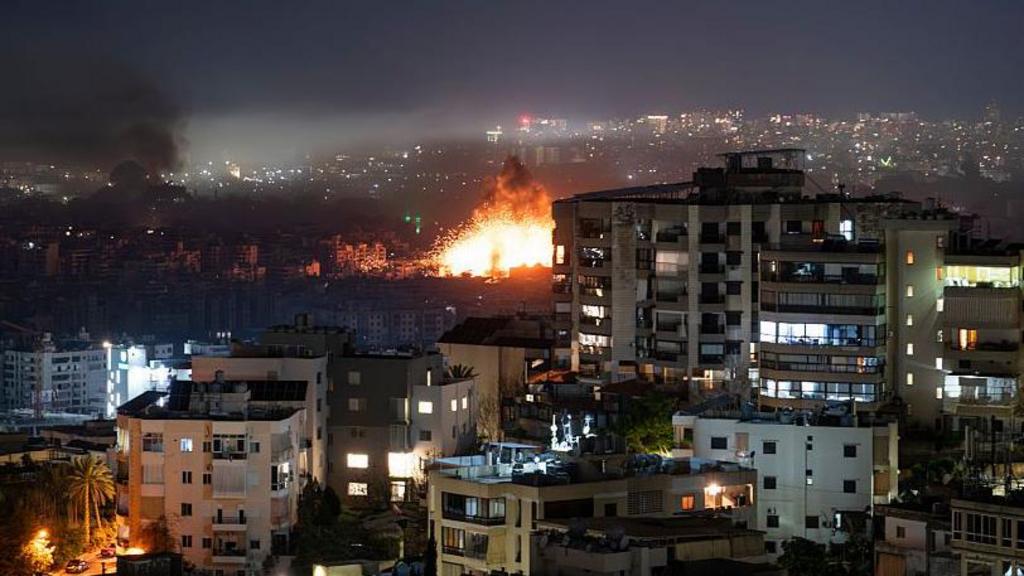
Just a day earlier, Iran had briefly reopened the strait following a ceasefire in Lebanon, but the decision was quickly reversed. The United States, meanwhile, confirmed that its blockade remains active, underscoring the deepening divide between the two sides.
The closure has immediate implications for global energy markets, with oil prices expected to remain volatile amid uncertainty over shipping routes. Shipping companies face rerouting challenges, higher insurance costs, and delays in deliveries as the situation unfolds.
Iran’s declaration highlights that control over the Strait of Hormuz will remain contested until broader regional hostilities subside, reinforcing the vulnerability of global supply chains to geopolitical tensions in West Asia.