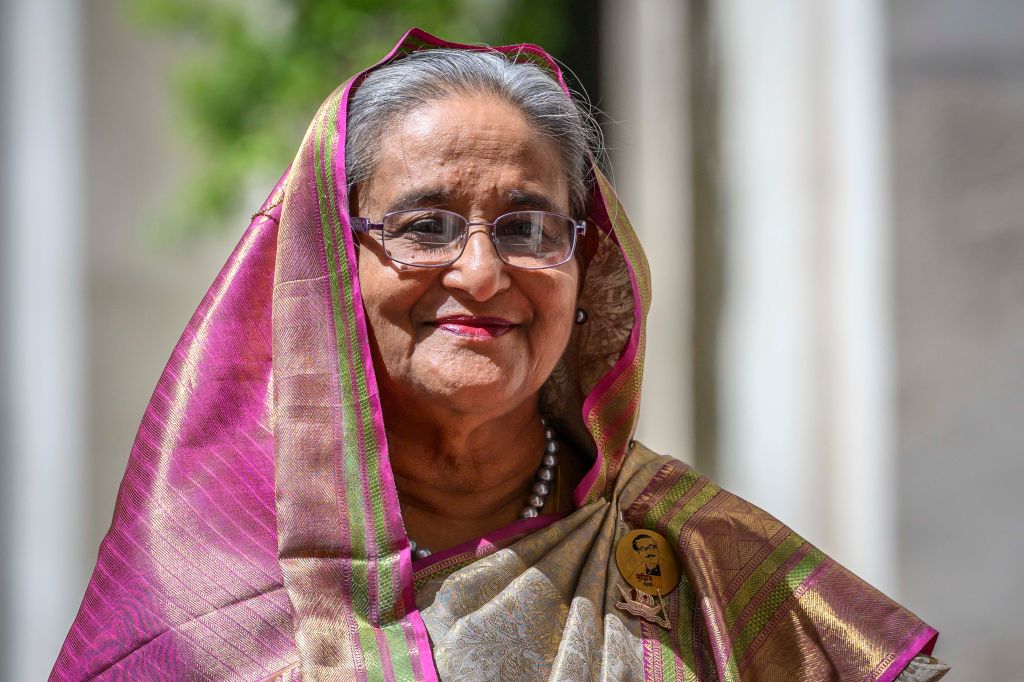

Bangladesh’s ousted Prime Minister Sheikh Hasina has been formally named in a chargesheet filed by the Anti-Terrorism Unit in connection with a murder case linked to the July 2024 uprising. The chargesheet, submitted to a Dhaka court, accuses Hasina and 24 others of involvement in the killing of Abujar Sheikh during violent protests that shook the capital.
Among those charged are former senior ministers Obaidul Quader and Asaduzzaman Khan Kamal, alongside other prominent figures from Hasina’s administration. Investigators allege that directives from top leaders contributed to the escalation of violence, which left dozens dead and hundreds injured.
The July uprising marked a turning point in Bangladesh’s political landscape, leading to Hasina’s ouster after weeks of unrest and demands for accountability. Protesters accused her government of corruption, authoritarianism, and mishandling of economic challenges, sparking nationwide demonstrations.
Hasina, who has been living abroad since her removal from office, has denied any wrongdoing and described the charges as politically motivated. Her party, the Awami League, has echoed this stance, calling the case an attempt to silence opposition voices and rewrite the narrative of the uprising.
The chargesheet has intensified political tensions in Bangladesh, with supporters of Hasina rallying against what they see as judicial overreach, while opponents argue that accountability is essential for justice and stability. Analysts warn that the case could further polarize the country’s fragile political environment.
The court is expected to review the charges and determine the next steps in the legal process. If the case proceeds, it could mark one of the most significant trials in Bangladesh’s recent history, testing both the judiciary’s independence and the resilience of its democratic institutions.