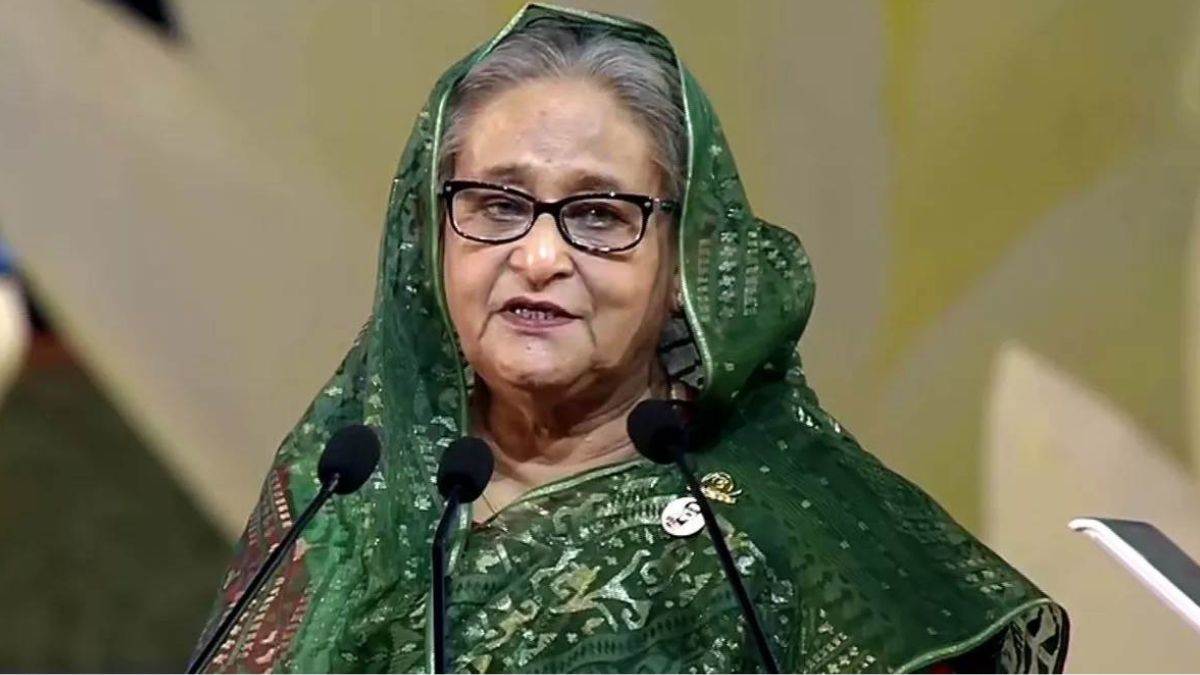

The United Nations has described the verdict against Bangladesh’s ousted Prime Minister Sheikh Hasina as an important step for victims of last year’s protest crackdown, while expressing regret over the imposition of the death penalty.
Hasina, 78, was sentenced to death in absentia by Bangladesh’s International Crimes Tribunal on charges of crimes against humanity. She has been living in India since her government was toppled in August 2024.
UN Secretary-General António Guterres, through his spokesperson Stéphane Dujarric, said the verdict represents a significant moment for victims seeking justice. However, he reiterated that the UN stands firmly against the use of the death penalty in all circumstances, aligning with the position of UN High Commissioner for Human Rights Volker Türk.
The UN emphasized the importance of accountability, calm, and adherence to international human rights standards. Officials stressed that justice must be pursued without resorting to capital punishment.
The verdict has heightened tensions in Bangladesh, with security forces deployed and political parties calling for nationwide protests. The UN urged restraint and reaffirmed its commitment to supporting victims while opposing executions.