
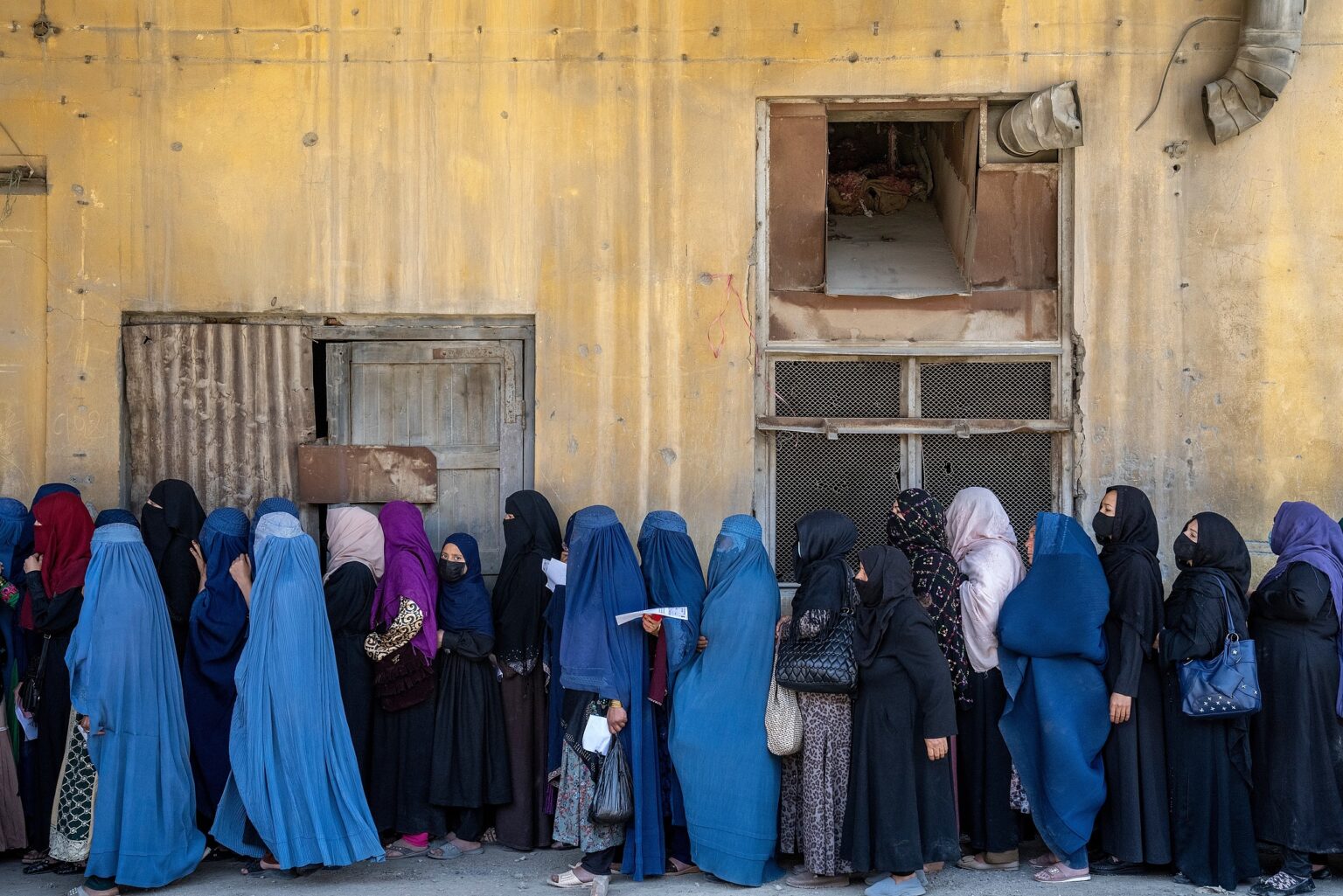

The United Nations has launched a $1.71 billion humanitarian appeal for Afghanistan in 2026, aiming to assist 17.5 million of the most vulnerable people in the country. The appeal comes as Afghanistan continues to face one of the world’s largest humanitarian crises.
According to UN officials, nearly 21.9 million Afghans are in need of humanitarian assistance, with acute food insecurity affecting 17.4 million people. Of these, 4.7 million are projected to be in IPC Phase 4, classified as emergency levels of hunger.
The humanitarian plan prioritises life-saving interventions including food, shelter, healthcare, nutrition, safe water, hygiene, and cash support. Women and children are identified as the most at-risk groups, with targeted programmes designed to address their specific vulnerabilities.
UN agencies emphasised that the appeal is critical to sustaining basic services and preventing further deterioration of living conditions. The strategy also seeks to build resilience among communities while responding to immediate needs.
Officials highlighted that Afghanistan’s crisis is driven by conflict, economic fragility, climate-induced disasters, and restrictions on women and girls. These factors have compounded vulnerabilities and made international support essential.
The UN warned that funding gaps could severely impact delivery of aid, urging the global community to step up contributions. Access challenges and political instability remain significant hurdles for humanitarian operations in the country.
The 2026 appeal reflects slightly reduced requirements compared to 2025, but the scale of need remains immense. The UN reiterated its commitment to supporting Afghan communities and called for sustained international solidarity to avert further humanitarian catastrophe.