
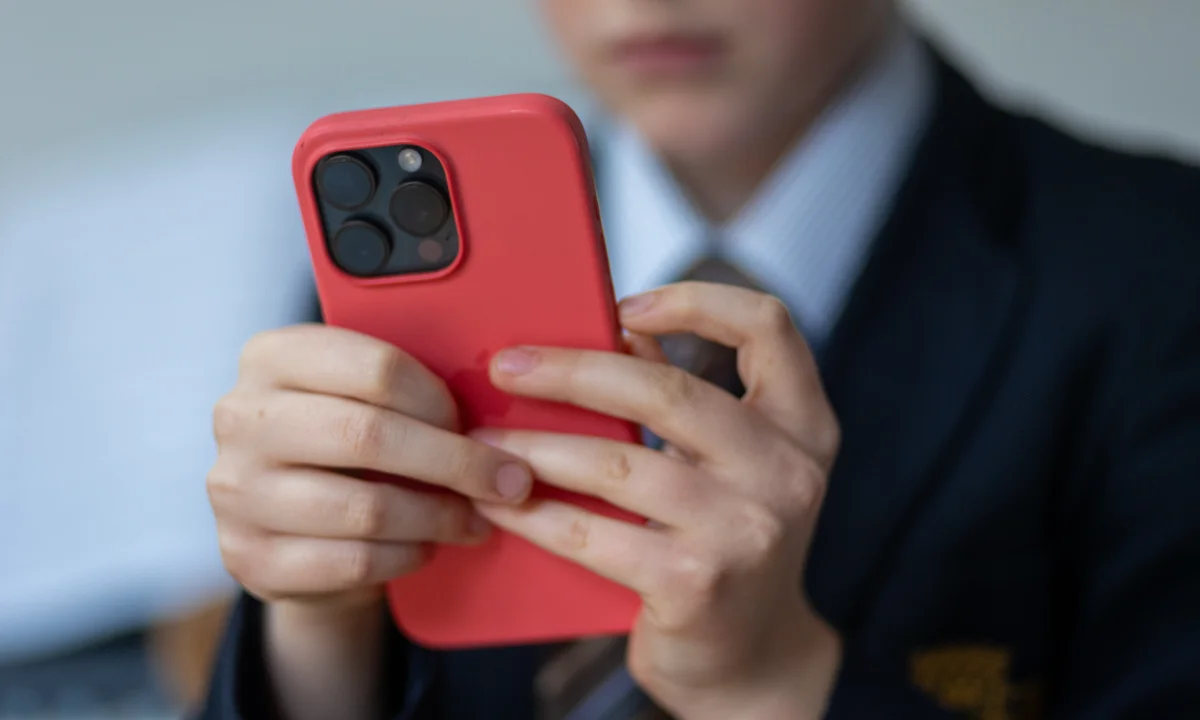

Australia has become the world’s first country to impose a nationwide ban on social media access for children under the age of 16, marking a major policy shift aimed at protecting minors from online harms. The decision follows growing concerns over cyberbullying, mental health issues, privacy breaches, and exposure to inappropriate content on major platforms.
Under the new rule, social media companies will be legally required to block users below 16 years of age unless they can provide verified parental consent. Platforms will also face hefty penalties for non-compliance, with the government emphasising that tech giants must take “real responsibility” for the safety of young users.
Prime Minister Anthony Albanese said the move was necessary to safeguard children from the “damaging effects of unregulated digital spaces.” He added that while social media offers benefits, its risks to young teenagers had reached a point where decisive regulation was essential.
The ban is part of a broader child-safety framework that also includes mandatory age-verification systems, stricter data handling rules, and independent audits to ensure compliance. The government is working with technology experts and cybersecurity agencies to create secure verification mechanisms that do not compromise user privacy.
The decision has triggered mixed reactions across the country. Parents’ associations and child-safety advocates have welcomed the move, saying it will reduce online addiction and bullying. However, digital rights groups have expressed concerns over privacy risks and the potential for over-surveillance. Some educators have also warned that cutting off teenagers from social platforms entirely may affect their digital literacy and social development.
Social media companies have begun reviewing the new legislation, with some requesting clearer guidelines on enforcement. The ban is expected to come into force in stages over the coming months, making Australia a global test case for strict age-based digital regulation.