
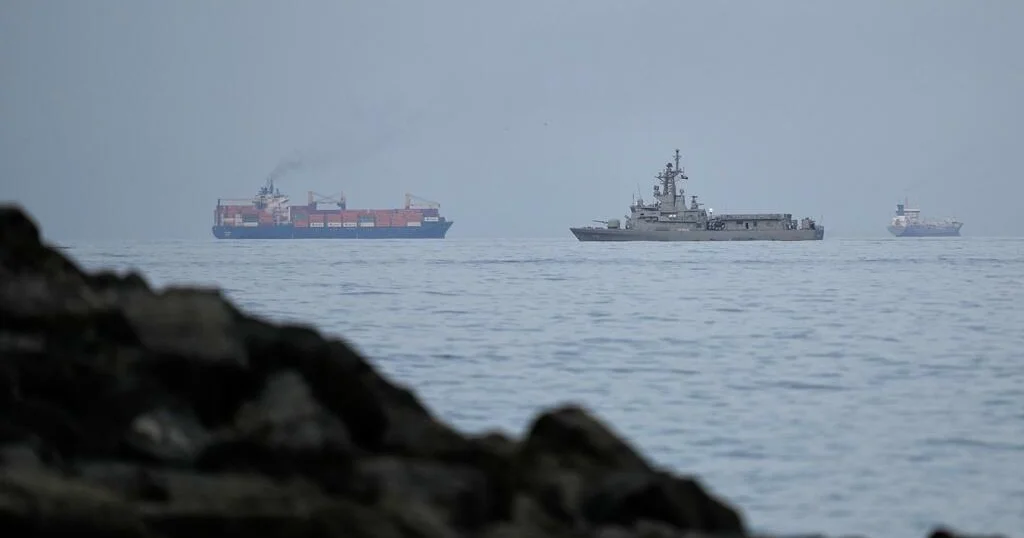

Iran has announced the closure of the Strait of Hormuz, citing continued hostilities in the region and escalating tensions with U.S. and allied forces.
Officials in Tehran declared that the strategic waterway will remain shut to international passage until security conditions improve, warning that any vessel attempting transit would be targeted.
The Strait of Hormuz is one of the world’s most critical maritime chokepoints, handling nearly 20 percent of global oil trade. Its closure is expected to disrupt shipping routes, spike energy prices, and raise insurance costs for carriers.
Reports indicate that Iranian gunboats have already fired warning shots at merchant vessels, while U.S. military officials confirmed defensive strikes on Iranian positions earlier in the week.
Regional states including Oman, Bahrain, and Kuwait have raised security alerts, with some suspending air traffic amid fears of escalation.
The closure underscores the risk of direct confrontation between Iran and Western powers, while also raising humanitarian concerns for civilians caught in the conflict.
India, Japan, and other major energy importers are closely monitoring developments, given the Strait’s importance to global energy security.