
The United Nations Security Council on Tuesday failed to adopt a resolution calling for the opening of the Strait of Hormuz to international shipping, after China and Russia exercised their veto powers. The draft resolution, tabled by Western members, sought to ensure freedom of navigation through the strategic waterway amid rising tensions in the Gulf region.
While the majority of Council members voted in favor, the resolution was blocked as both China and Russia opposed the move, citing concerns over regional sovereignty and the potential for escalation. The United States and its allies argued that unrestricted passage through the Strait of Hormuz is vital for global energy security and international trade.
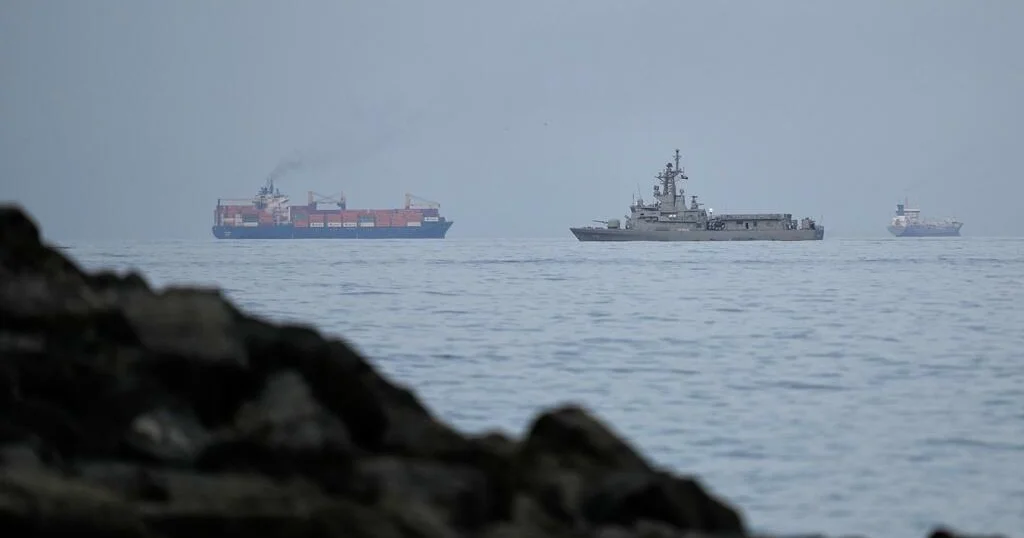
The Strait of Hormuz, a narrow but critical maritime chokepoint, handles a significant portion of the world’s oil shipments. Recent disruptions and threats to shipping have heightened fears of instability, prompting calls for stronger international guarantees of safe passage.
Diplomats noted that the failure to adopt the resolution underscores deep divisions within the Security Council over how to address maritime security in the Gulf. While Western nations pushed for collective action, China and Russia insisted that regional disputes should be resolved through dialogue and respect for national sovereignty.
The outcome leaves the Council without a unified stance on one of the world’s most strategically important waterways, raising concerns about the potential impact on global energy markets and regional stability.