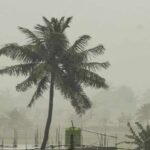
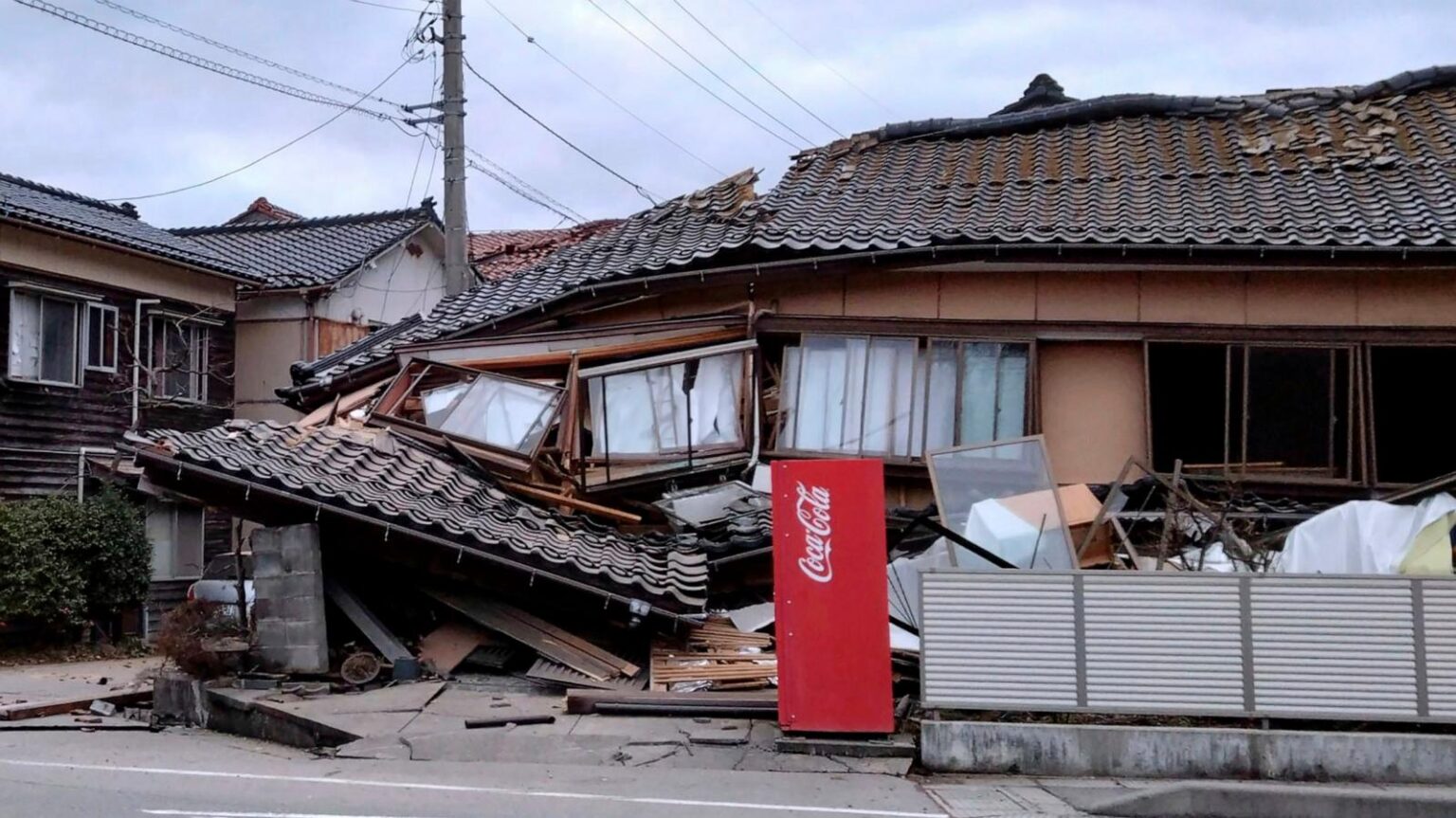

Typhoon Bavi struck Japan and Taiwan on July 11, 2026, forcing widespread flight cancellations and school closures. The storm battered Japan’s southern Sakishima islands in Okinawa Prefecture with winds reaching 144 kph, gusting up to 198 kph, leading to suspension of flights, ferries, and warnings of flooding and landslides. Japan Airlines and ANA cancelled more than 260 flights, while power outages affected hundreds of buildings.
In Taiwan, authorities evacuated over 14,000 residents from vulnerable regions as heavy rains and strong winds swept across the island. Nearly 917 international and 274 domestic flights were cancelled, and schools and government offices declared a typhoon holiday. Rail services were disrupted, with forecasts warning of up to one metre of rainfall in some areas. Taipei experienced strong winds and rain, though conditions remained manageable for most residents.
Regional forecasts indicate Typhoon Bavi is moving toward China’s Wenzhou, threatening a city of 10 million. Earlier, the storm triggered deadly landslides in the Philippines, killing at least 15 people. Experts warn that El Niño conditions this year may intensify typhoon activity, making storms like Bavi more destructive across Asia.